

Practical Methods to Reduce Polythene Waste in Packaging

Polythene film is everywhere in packaging. It’s lightweight, flexible, and cheap, making it a favourite for many industries. But its environmental impact is significant. As businesses, especially in manufacturing, e-commerce, food, pharmaceutical, retail, and logistics sectors, we have a responsibility to rethink how we use polythene films. By adopting practical methods, we can reduce polythene waste, save costs, and contribute to a greener future.
Let’s explore some effective strategies to cut down on polythene film usage without compromising on packaging quality or performance.
Why It’s Important to Reduce Polythene Waste
Polythene films are made from polyethylene, a type of plastic that takes hundreds of years to decompose. When discarded improperly, it pollutes land and waterways, harming wildlife and ecosystems. For businesses, excessive polythene use also means higher waste disposal costs and potential tax liabilities related to environmental regulations.
Reducing polythene waste helps in several ways:
Lower environmental footprint: Less plastic means less pollution.
Cost savings: Using less material reduces purchasing and disposal expenses.
Improved brand image: Customers appreciate companies that care about sustainability.
Compliance with regulations: Many regions are tightening rules on plastic use.
By focusing on smarter packaging choices, we can make a real difference.
How to Reduce Polythene Waste in Packaging Operations
Reducing polythene waste starts with understanding where and how it’s used. Here are some practical steps to consider:
1. Opt for Thinner Films Without Sacrificing Strength
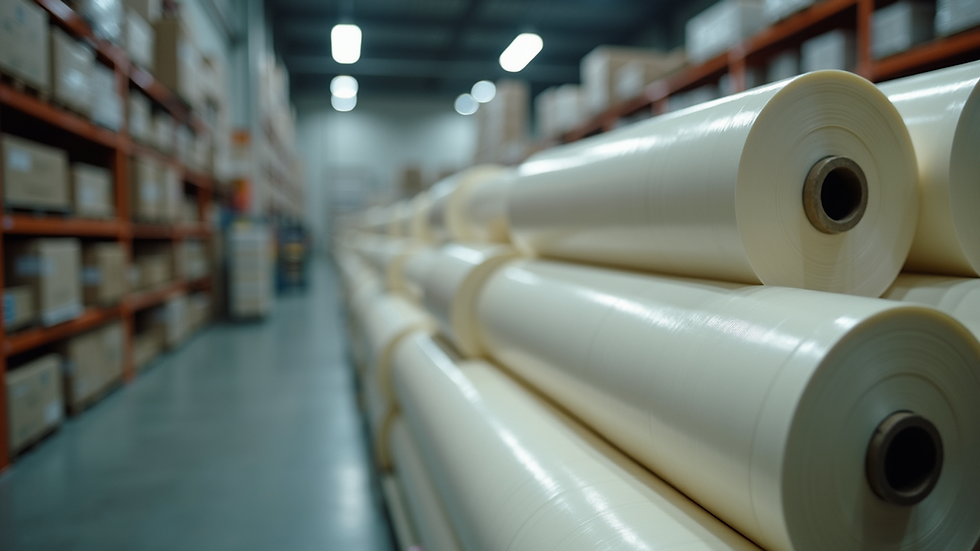
Modern technology allows manufacturers to produce thinner polythene films that maintain durability. Switching to these films can reduce material use by up to 30% while still protecting products effectively.
2. Use Recyclable and Recycled Content Films
Choosing films made from recycled polyethylene or those that are fully recyclable helps close the loop. It encourages recycling and reduces the demand for virgin plastic.
3. Implement Reusable Packaging Solutions
Where possible, use reusable packaging like stretch bands or wraps that can be collected and reused multiple times. This approach is especially useful in logistics and warehousing.
4. Customise Packaging to Fit Products Precisely
Over-packaging wastes material. Tailoring film size and thickness to the exact product dimensions reduces excess use. Automated cutting and wrapping machines can help achieve this precision.
5. Educate Staff and Partners
Training teams on the importance of reducing polythene waste and how to handle packaging materials properly can lead to better practices and less waste.
By applying these methods, businesses can significantly reduce their environmental impact and operational costs.
What are 5 ways to reduce plastic for kids?
Teaching the next generation about plastic reduction is vital. Here are five simple ways kids can help reduce plastic use, including polythene films:
Use reusable bags: Encourage kids to carry cloth or other reusable bags instead of plastic ones.
Avoid single-use plastics: Teach them to say no to plastic straws, cutlery, and bottles.
Recycle properly: Show kids how to sort plastics for recycling at home or school.
Choose toys with less plastic: Opt for wooden or metal toys instead of plastic ones.
Participate in clean-up activities: Involve children in local litter picks to raise awareness.
These small actions build lifelong habits that contribute to reducing plastic pollution.
Innovative Packaging Designs That Help Reduce Polythene Waste
Innovation in packaging design plays a crucial role in reducing polythene film usage. Here are some trends and ideas gaining traction:
Minimalist packaging: Using less material by designing simple, efficient packaging.
Multi-layer films with biodegradable layers: Combining polythene with compostable materials to improve environmental performance.
Smart packaging: Incorporating sensors or QR codes to reduce the need for excessive packaging by improving inventory and supply chain management.
Modular packaging systems: Reusable components that can be adapted for different products, reducing the need for new films.
Adopting these innovations can help businesses stay ahead in sustainability while maintaining product safety.
How Stretchband Packaging Supports Reducing Polythene Waste
At Stretchband Packaging, we understand the challenges businesses face in balancing packaging performance with sustainability. Our custom solutions focus on helping clients reduce polythene film usage by offering:
High-performance films that use less material but provide excellent protection.
Tailored packaging designs that fit your products perfectly.
Sustainable options including recycled and recyclable films.
Expert advice on optimising packaging processes to minimise waste.
By partnering with us, you can lower your environmental impact, reduce costs, and meet regulatory requirements more easily.
Taking the First Step Towards Sustainable Packaging
Reducing polythene waste is not just a trend - it’s a necessity. Start by assessing your current packaging materials and processes. Identify areas where you can switch to thinner films, reusable wraps, or recyclable options. Engage your team and suppliers in this journey.
Remember, every small change adds up. Together, we can create packaging solutions that protect products, save money, and protect the planet.
Let’s make sustainability a priority and lead the way in responsible packaging.


